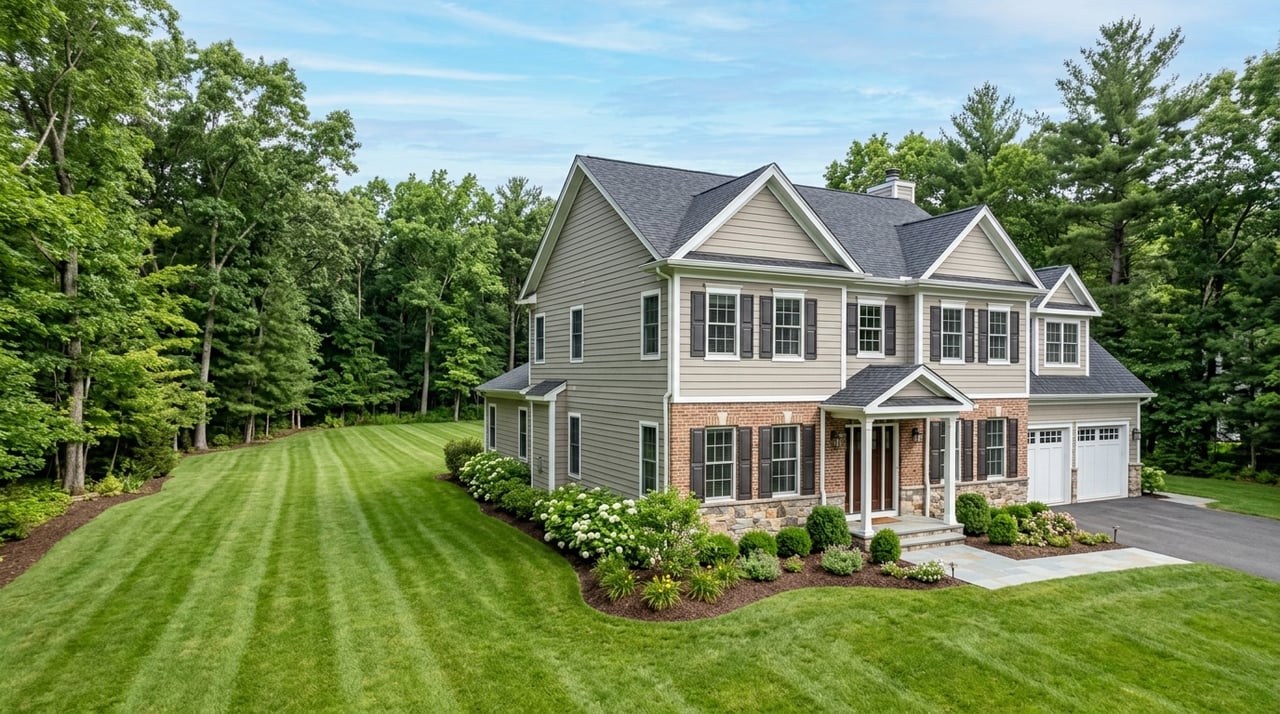
Looking for a home with extra land in Springfield Township can feel exciting and a little tricky at the same time. You may love the idea of more space, more privacy, or room for future plans, but acreage comes with a different set of questions than a typical residential lot. If you are thinking about buying in this part of Burlington County, it helps to know how land, zoning, wells, septic systems, and preserved farmland can affect your decision. Let’s dive in.
Why Springfield Township draws acreage buyers
Springfield Township is known for its rural character, farmland, and open space. According to the township, it covers about 30 square miles and has roughly 3,500 residents, with farmland preservation and open space playing a major role in the community’s identity.
That matters when you shop for a home with extra land. In Springfield Township, “more land” can mean anything from a somewhat larger residential lot to a property with true farm-style acreage. Because of that range, it is especially important to verify what the land can actually be used for before you fall in love with a property.
What extra land can mean locally
In this market, acreage does not always mean a huge estate or active farm. Recent public listings and sales examples in Springfield Township have included parcels around 0.5 acres, 2.14 acres, 12.4 acres, and 14.06 acres.
That mix is important for buyers. A property may look wide open on paper, but the practical use of the land can change a lot based on zoning, access, utility limits, and site conditions. The larger the parcel, the more due diligence usually matters.
Zoning matters more than lot size
If you are buying a Springfield Township home with extra land, zoning should be one of your first checkpoints. Two local zoning districts are especially relevant for acreage buyers.
AR-10 agricultural rural district
The AR-10 district is built for large-lot, rural land use. It allows farms and farm buildings, detached single-family homes, public parks and open-space uses, and farm stands. In certain farm-preservation contexts, accessory apartments are listed as conditional uses.
AR-10 has substantial lot requirements. The district requires 10 acres of lot area, 300 feet of frontage and width, and 400 feet of depth. It also requires at least 3 acres of contiguous noncritical acreage suitable for the dwelling, well, and septic system.
Coverage limits matter here too. Building coverage is capped at 3.5%, and impervious coverage is capped at 10%. If the property is a flag lot, it must have 3 acres exclusive of the access strip.
HMR-3 hamlet residential
The HMR-3 district may also come up when you look at homes with land. It allows farms and farm buildings as well as detached single-family homes. It also lists roadside farmstands and accessory apartments on permanently preserved farms among permitted uses.
Its lot standard is smaller than AR-10. HMR-3 requires 3 acres, including at least 1 contiguous noncritical acre suitable for the dwelling, well, and septic system. Building coverage is capped at 7.5%, and impervious coverage is capped at 20%.
Why buyers should confirm use early
A big lot does not automatically mean you can do whatever you want with it. If you are thinking about adding a barn, pole barn, detached garage, shed, pool, fence, or another structure, setbacks, lot coverage, and any preservation rules can all affect what is possible.
The same goes for business use. Springfield Township limits home occupations to uses that are incidental to residential living, with restrictions on floor area, employees, and outdoor storage. The code also says home occupations cannot include breeding, raising, care, boarding, or maintenance of animals.
Preserved farmland needs extra review
Some Springfield Township properties may be preserved farmland. If a property is preserved by the County Agricultural Development Board, the township zoning office says buyers should check with the CADB and review the deed of easement to verify what improvements and uses are allowed.
This is one of the most important steps you can take before making assumptions about future plans. A preserved property may offer the rural setting you want, but it can also come with use restrictions that affect additions, outbuildings, or other site changes.
Wells and septic are major buying factors
Utilities are one of the biggest differences between a home on extra land and a home in a more typical suburban setting. Springfield Township’s planning documents say there is no public water supply system across the township as a whole, and potable water generally comes from private individual wells.
The township also notes that Burlington Township’s water main reaches only a very limited western area of Springfield Township. In other words, you should not assume public water is available just because a property is listed with significant acreage.
Sewer access should also never be assumed. Springfield’s 2025 housing element says many sites are not in a designated sewer service area, and water or sewer extensions require plan amendments and coordination for specific projects.
Site conditions can shape what is usable
Springfield Township’s land-use materials note that wet soils and high water tables can make basements and septic systems harder to site. They also point out that the land’s ability to support a septic system and potable well is a central development constraint.
That means “10 acres” on paper does not always equal 10 usable acres in practice. Setbacks, drainage, wetlands, and soil conditions can all reduce the area where a home addition, outbuilding, or other improvement may actually work.
A smart due diligence checklist
When you buy a Springfield Township home with extra land, a little extra homework can save you major headaches later. Here are some of the most important items to check.
Confirm boundaries and acreage
Start by comparing the listing information to Burlington County tax maps and GIS records. The county provides Springfield Township tax maps and GIS data that can help you review parcel shape, acreage, and possible easements.
You also want the deed and survey to match what you think you are buying. If there is any difference between the listing, public records, and survey, get clarity before moving forward.
Identify the lot type
Find out whether the property is a standard residential lot, a flag lot, a preserved farm, or a parcel with other land-use limits. This can affect access, building areas, and what approvals may be needed for future changes.
Even if a property looks simple at first glance, its classification can have a big impact on long-term flexibility. This is especially true when you are comparing multiple homes with similar acreage.
Verify your intended use
Before you make an offer, think through how you want to use the property. Do you want space for a detached garage, barn, pool, fencing, or a garden area that may require site work?
If you are considering a home business, farm stand, or any animal-related use, confirm the rules in writing. The local code is specific, and it is better to know the limitations early than to discover them after closing.
Review well and septic details
Check the age of the septic system, service records, and pump history if available. You should also review well-water quality and plan for appropriate inspections or lab testing before closing.
NJDEP recommends annual private well testing for total coliform, nitrates, and pH, along with periodic testing for other contaminants. In Burlington County, arsenic testing is required during transfer-related testing under the Private Well Testing Act.
Look at drainage and maintenance needs
Land can be a great asset, but it also brings ongoing upkeep. Springfield Township’s stormwater guidance encourages soil testing, preserving some natural vegetation, careful fertilizer use, and proper yard-waste disposal.
Long-term costs often include septic and well maintenance, mowing, landscaping, driveway upkeep, drainage work, and compliance with any preservation-related restrictions. Those costs do not make a property a bad fit, but they should be part of your budget from day one.
Questions to ask before an offer
When you tour a Springfield Township property with extra land, keep these questions in mind:
- How much of the lot is actually usable after setbacks, drainage concerns, wetlands, or preservation restrictions?
- Is the property served by a private well, and is septic already installed?
- Can you add a barn, shed, garage, pool, or fence without a variance or special approval?
- If the property is preserved farmland, what does the deed of easement allow?
- Do county or township records match the listing details on acreage, access, and boundaries?
These questions can help you compare properties more clearly. They also help you focus on how the land functions, not just how it looks in photos.
The value of local guidance
Buying a home with extra land is not just about finding more square footage outside. It is about understanding how the property works, what the rules allow, and what ownership will really feel like over time.
That is where local, steady guidance can make a real difference. When you have someone helping you ask the right questions early, it becomes much easier to sort through listings, avoid surprises, and move forward with confidence.
If you are thinking about buying a Springfield Township home with extra land, Ronald Palentchar can help you evaluate the property, understand the local context, and make a practical decision that fits your goals.
FAQs
What does extra land usually mean in Springfield Township?
- In Springfield Township, extra land can mean anything from a larger residential lot to a true farm-style parcel, so zoning and site conditions matter a lot.
What zoning districts matter for Springfield Township acreage buyers?
- The two key districts mentioned in local code are AR-10 Agricultural Rural and HMR-3 Hamlet Residential, both of which allow detached single-family homes and certain farm-related uses.
Are Springfield Township homes with land usually on public water and sewer?
- No. Township planning documents say potable water generally comes from private wells, and many sites are not in a designated sewer service area.
What should buyers check on a preserved farm in Springfield Township?
- Buyers should review whether the property is preserved by the County Agricultural Development Board and check the deed of easement to confirm allowed improvements and uses.
Why are wells and septic so important for Springfield Township properties?
- Private wells and septic systems are common, and wet soils or high water tables can affect where systems can be placed and how the land can be used.
What records should buyers review for Springfield Township land boundaries?
- Buyers should compare the listing to Burlington County tax maps, GIS records, the deed, and the property survey to confirm acreage, access, and easements.